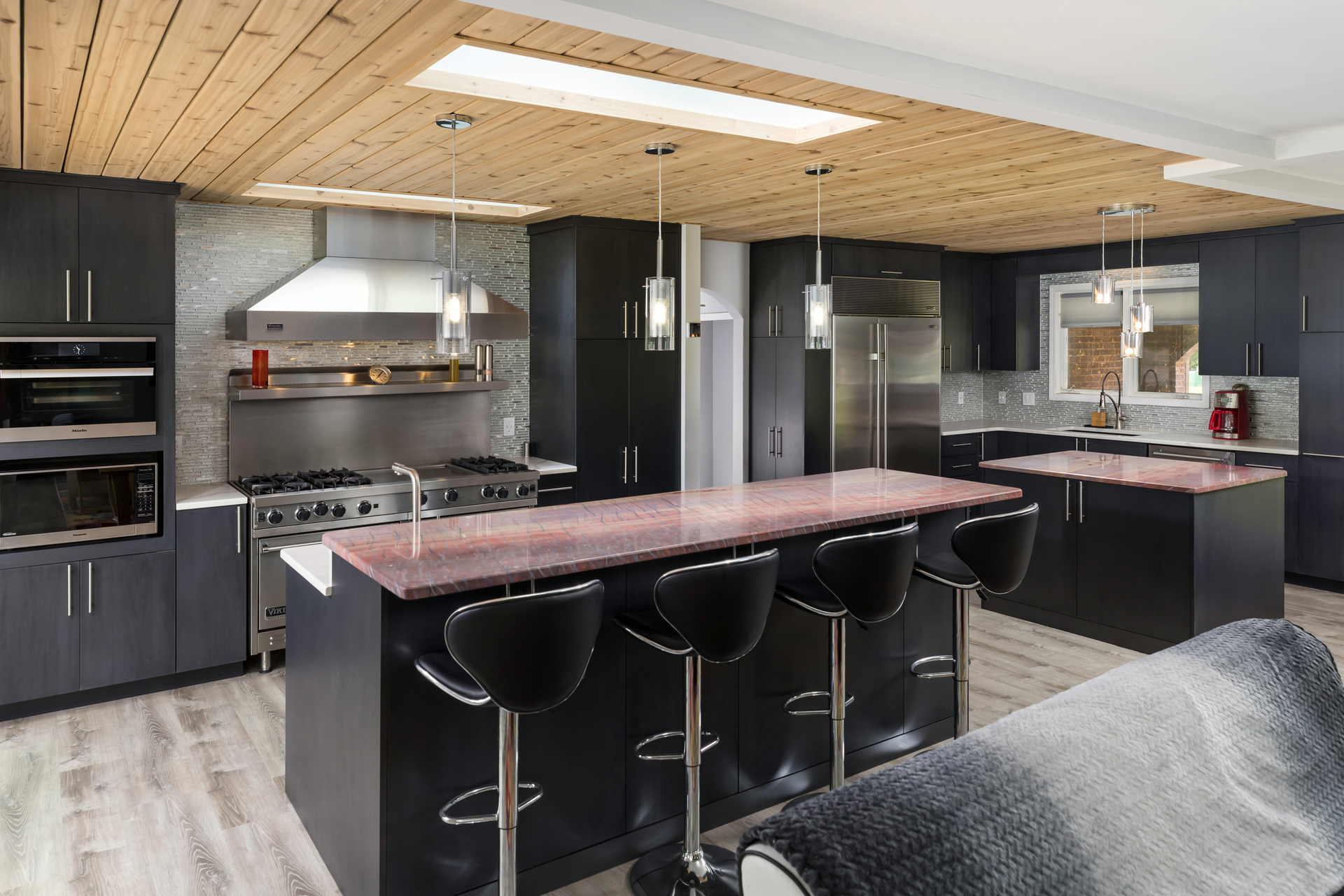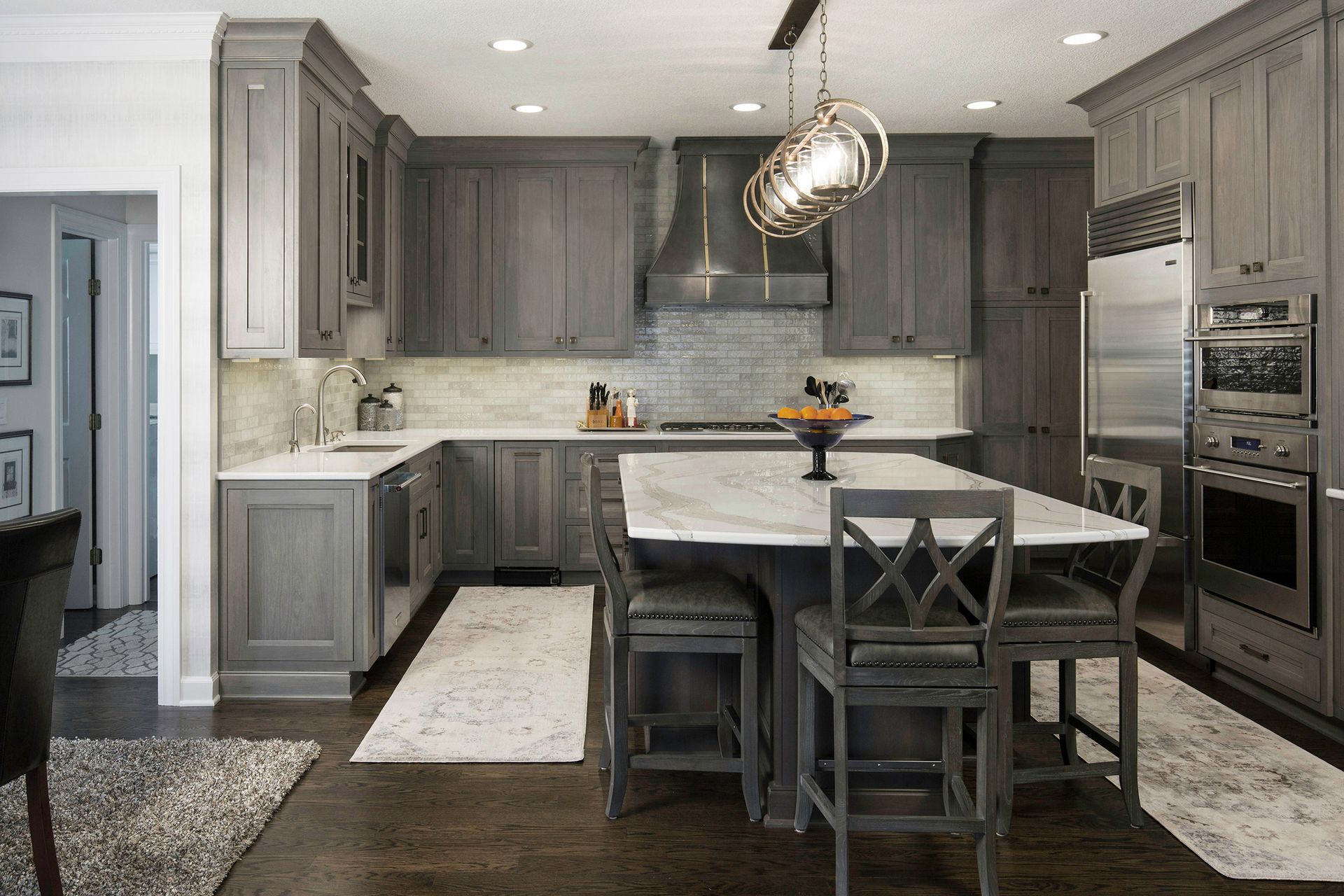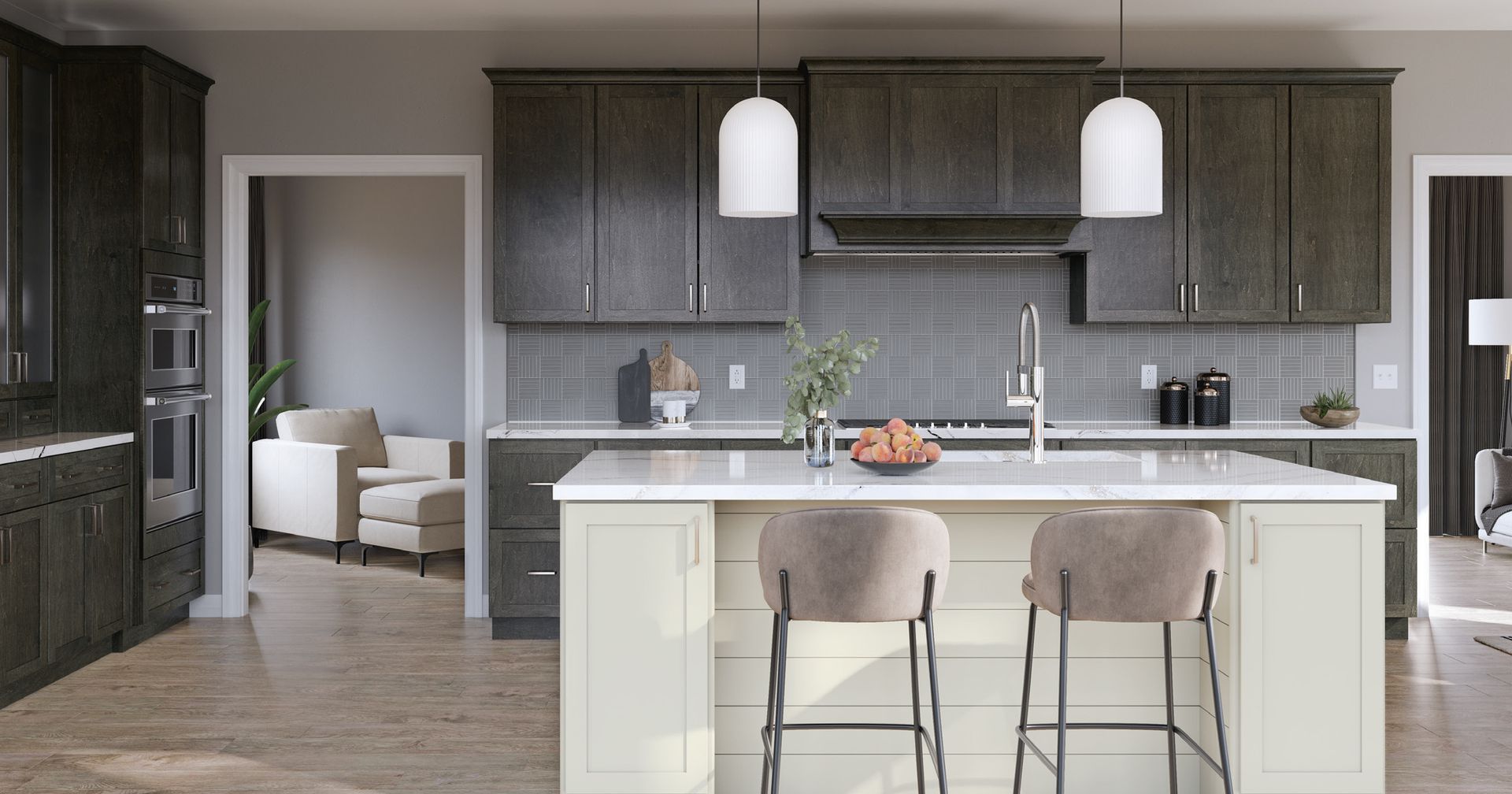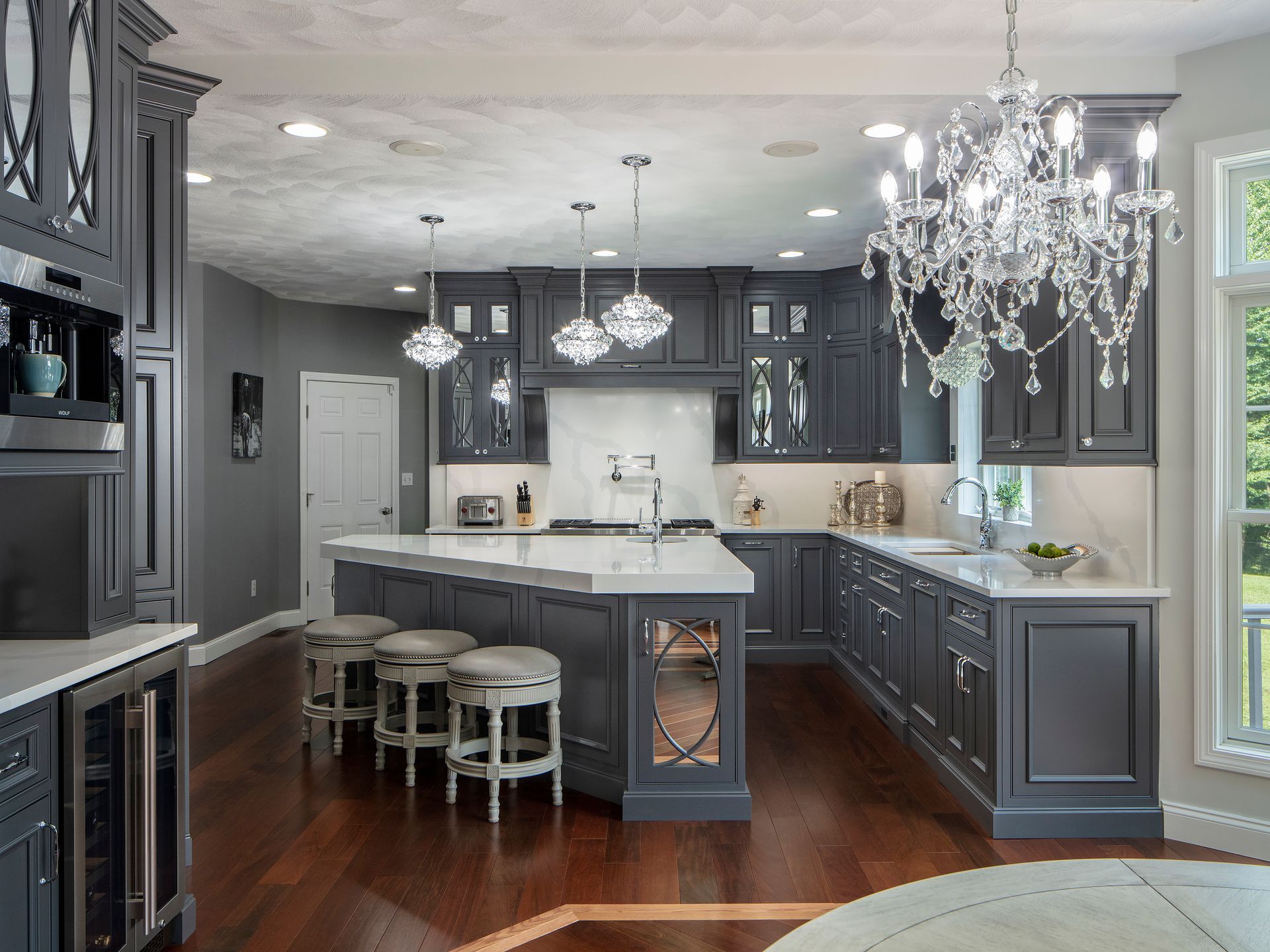
What Is Cabinet Box Construction and Why Does It Matter? A Helpful Guide for Homeowners

When planning a kitchen project, most homeowners focus on door styles, finishes, and colors, but one of the most important features of any cabinet is something you don’t always see: the cabinet box construction. This hidden structure determines how strong the cabinet is, how long it performs, and how smoothly doors and drawers function every day. Because cabinets are used constantly, the way the cabinet box is built directly impacts long-term satisfaction.
At Freedom Cabinets, many homeowners visiting our Hudson and North Royalton showrooms ask what cabinet box construction really means and why it matters so much. This guide explains the essentials in clear, simple terms.
What Is Cabinet Box Construction?
Cabinet box construction refers to how the main body of the cabinet is built, including the sides, back panel, bottom, shelves, and internal structural supports. This structure is what the doors, drawers, and hardware attach to, making it the foundation of the entire cabinet.
A well-built cabinet box keeps everything aligned, supports everyday use, and helps the kitchen maintain a polished, consistent appearance. Strong construction contributes to smooth drawer function, proper door alignment, and long-term stability.
Types of Cabinet Box Construction
Cabinets are generally built using one of two construction styles: framed or frameless. Each style offers its own design benefits and structural characteristics.
Framed Cabinet Construction
Framed cabinets have a solid hardwood frame attached to the front of the cabinet box. This frame reinforces the structure and creates a traditional look that works well in many home styles.
Homeowners who choose framed cabinets often appreciate the added strength from the face frame and the versatility in door design, including full overlay, partial overlay, and inset options. The frame provides structure and stability, making framed cabinets a familiar and dependable choice.
Frameless Cabinet Construction
Frameless cabinets, sometimes called European-style or full-access cabinets, do not have a face frame. Instead, the door attaches directly to the cabinet box, creating a sleek, modern appearance with smooth, clean lines.
Many homeowners like frameless construction because it offers slightly wider interior openings and a crisp, contemporary style. The design complements modern kitchens and supports a streamlined aesthetic.
Why Construction Quality Matters
Even though cabinet construction is not always visible, it greatly influences how the kitchen feels and functions. Strong cabinet boxes help doors and drawers remain aligned, support shelves under weight, and maintain overall structural integrity. When cabinet construction is carefully engineered, the entire kitchen benefits from consistent performance and long-term stability.
Smooth operating drawers and doors depend on a sturdy foundation. A strong box prevents sagging, shifting, and misalignment over time, which means your cabinetry continues to look and function the way it did on day one.
Materials Used in Cabinet Box Construction
Cabinet boxes are commonly made from plywood, engineered board, or a mix of both depending on the design and cabinet line. Plywood is frequently chosen for its strength and stability, offering dependable performance for cabinet sides, backs, and shelving. Engineered materials provide smooth, consistent surfaces for cabinet interiors and are widely used across many cabinetry collections.
Hardwood is often used in framed construction, where the face frame supports the doors and gives the cabinet its traditional appearance. Each of these materials plays a specific role in creating a cabinet box that is stable, long lasting, and suited to everyday use.
How Cabinet Construction Affects Everyday Use
The strength of the cabinet box affects more than just structure; it also influences how the kitchen functions on a daily basis. With a stable cabinet box, drawers glide smoothly, doors stay aligned, shelves hold weight without sagging, and hardware performs consistently.
Because kitchen cabinets are opened and closed multiple times a day, the strength of the box supports the long-term reliability of hinges, glides, and interior components. Strong construction also helps maintain clean lines and proper spacing between doors, contributing to an attractive and cohesive kitchen.
Choosing Cabinet Construction That Fits Your Home
The right cabinet construction depends on your style and how you use your kitchen. Homeowners who prefer a timeless look often gravitate toward framed cabinets, while those seeking a streamlined, modern design tend to choose frameless construction. Many cabinet lines use plywood for box strength and engineered interiors for a smooth, consistent finish, balancing durability with visual appeal.
At Freedom Cabinets, our team helps homeowners compare these options across different brands so they can choose cabinetry that fits both their design preferences and everyday needs.
Frequently Asked Questions
What is the strongest type of cabinet box construction?
Plywood cabinet boxes are often chosen for their strength and stability, while engineered interior materials perform consistently for everyday use. Many high-quality cabinets use a combination of both.
Are framed cabinets stronger than frameless cabinets?
Both construction styles are strong when built well. Framed cabinets offer traditional structural support, while frameless cabinets use thick, stable box materials to achieve a modern look.
Does cabinet box construction affect durability?
Yes. Strong construction helps maintain alignment, supports hardware performance, and contributes to long-term stability throughout the kitchen.
Want to compare cabinet construction options in person?
Freedom Cabinets welcomes homeowners from Akron and surrounding areas to explore cabinetry displays, learn about construction styles, and see materials up close. Our team is here to help you feel confident in every decision.
Contact us today to get started or schedule a showroom visit.